Crossing as a foot passenger
You don't need a car for a trip to France. P&O Ferries takes foot passengers on all its routes, including Dover to Calais, and says its foot passenger tickets typically start from £13.50.
A few things to know before you go:
- Book ahead. P&O says tickets must be booked in advance to guarantee your place.
- Arrive early. Check-in closes 90 minutes before departure. After that, a shuttle bus takes you onto the ferry.
- Travel light. You carry your luggage on board with you, and there's no baggage reclaim.
Plan your onward travel before you go, then the rest of France is yours.
Paris
Paris is the obvious first stop, and it's a brilliant city to explore on foot. Pick a neighbourhood, wander, and stop for a coffee whenever you like.
The Eiffel Tower

You can't miss it, and it's taller than you might expect: the tower's official site gives its current height as 1,083 feet. You can head up to the second floor or the top, by lift or by the stairs.
My advice is to buy your tickets on the official Eiffel Tower website before you go. It warns about ticket scams, and booking ahead means one less thing to sort out on the day. For the true romantics, it looks even better lit up at night.
The Louvre
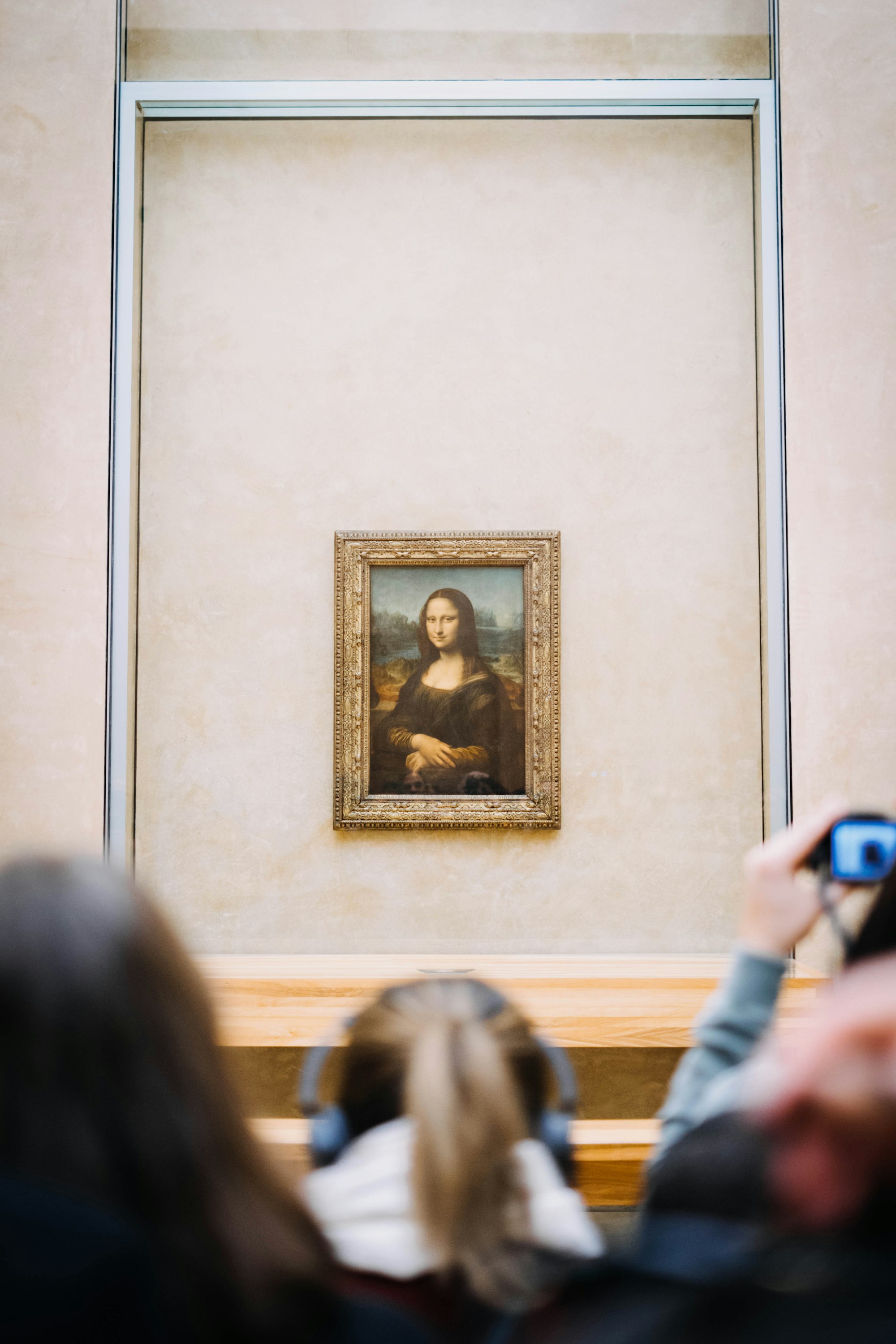
At the Louvre you'll find Leonardo da Vinci's Mona Lisa. The museum calls it the world's most famous painting, and it hangs in the Louvre's largest room, the Salle des États. The museum is closed on Tuesdays, and it recommends booking a time slot before you go. Go early if you can: you'll enjoy the galleries far more.
Shopping and eating
Browse the boutiques and bookshops, stroll the street markets, and pick up pastries from a boulangerie and something good from a fromagerie for a picnic.
Lyon
Lyon rewards the extra journey. The Romans founded it in the 1st century BC, and its historic centre has been on UNESCO's World Heritage List since 1998.
Vieux Lyon

Vieux Lyon stretches along the banks of the Saône across three neighbourhoods: Saint-Georges, Saint-Paul and Saint-Jean, home to its Gothic cathedral. This is the place to take a slow stroll and plenty of photos.
Look out for the traboules. These are passageway shortcuts that connect one street to another, winding through buildings and courtyards, and many of those in Vieux Lyon are open to the public. You can lose yourself in a maze of passageways that cut between the streets. Visit Lyon passes on tips from local residents for visiting them, so be respectful and keep your voice down.
Croix-Rousse
You can lose yourself in a maze of passageways that cut between the streets.
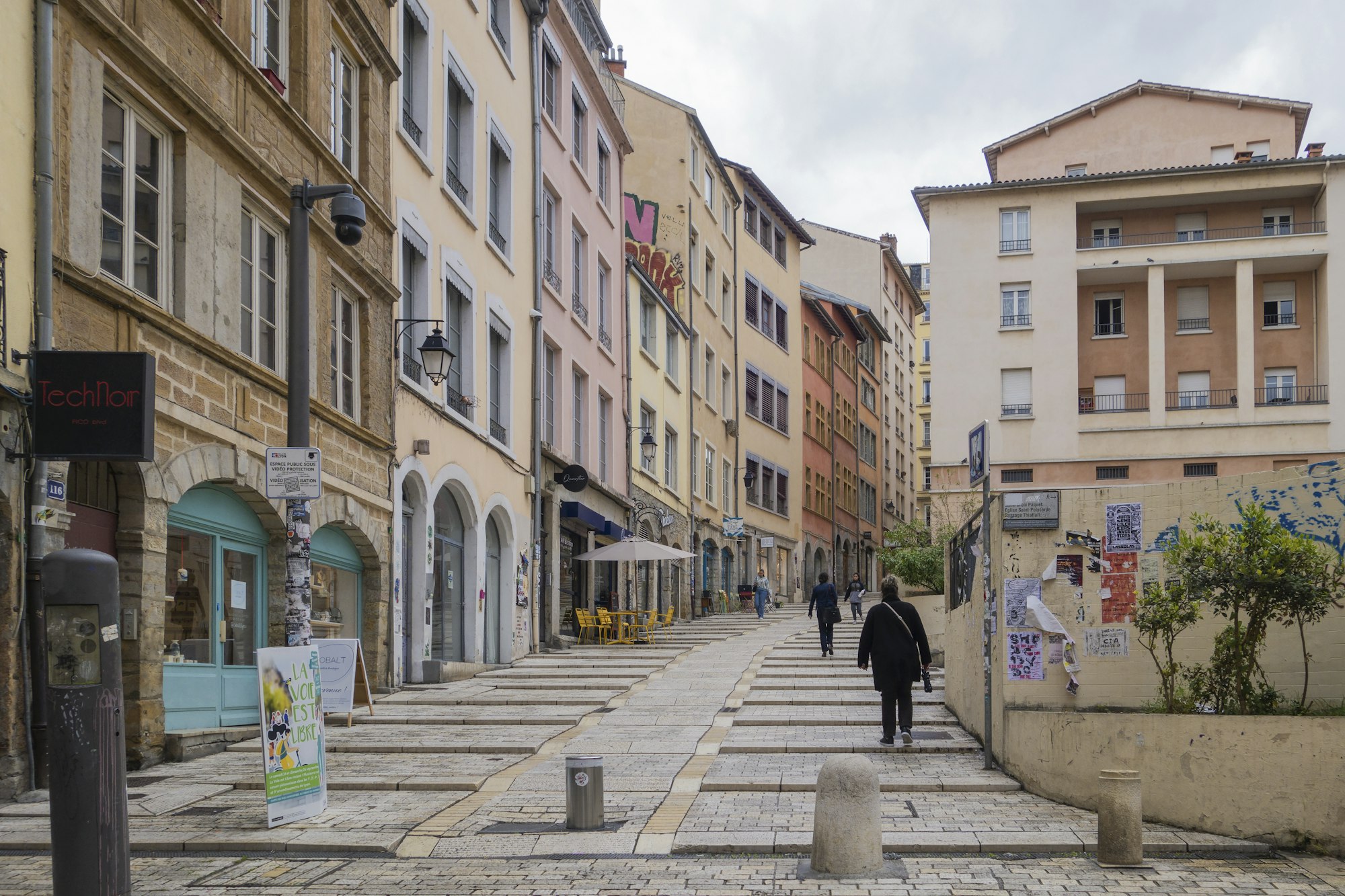
Up the hill, the slopes of Croix-Rousse have more than 160 recorded traboules. Lyon's silk workers, the canuts, used them to carry silk down to the merchants at the foot of the hill.
To find out more, visit the Maison des Canuts, Lyon's silk museum in Croix-Rousse. Its guided tours include a weaving demonstration on a 19th-century hand loom.
Musée des Beaux-Arts
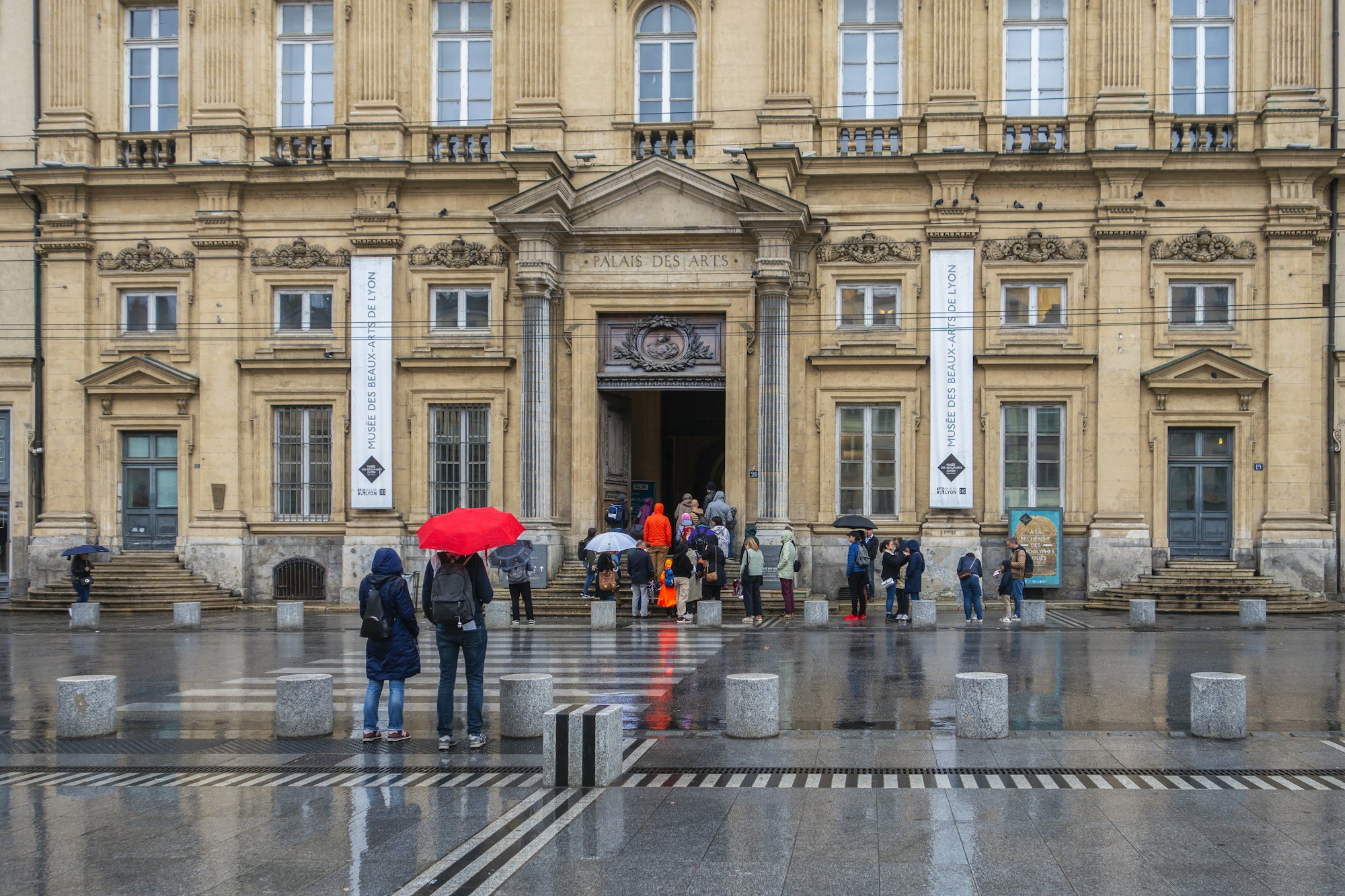
Lyon's fine-arts museum is open Wednesday to Monday from 10am to 6pm (from 10:30am on Fridays) and closed on Tuesdays and bank holidays. It sits in a former abbey, and its sculpture garden, which the museum calls a pleasant refuge of calm and harmony, makes a lovely break from the city.
Ready to go?
France is a joy without a car. Book your crossing, pack a light bag, and plan your onward travel.