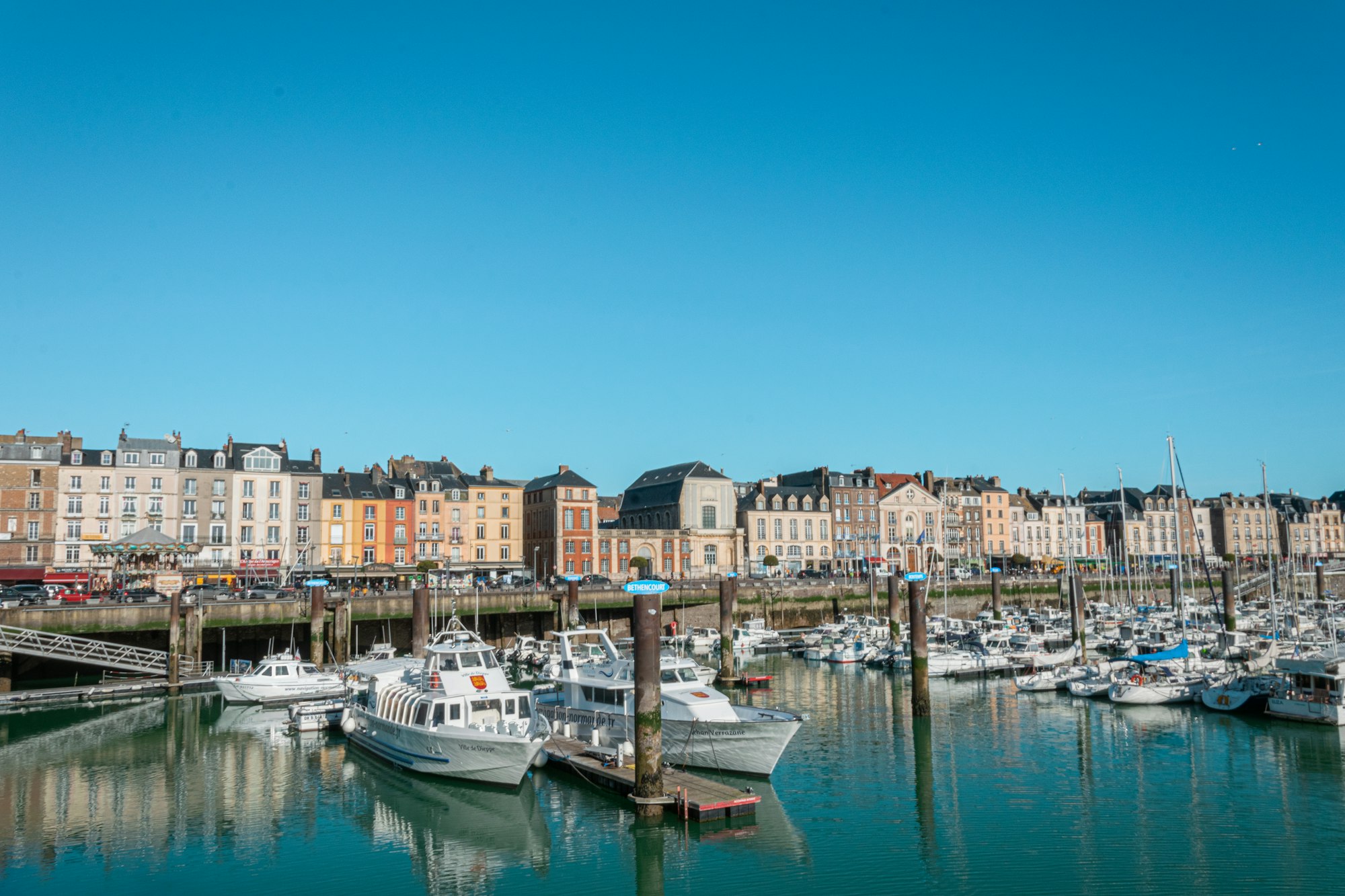
Day trip or long weekend, family holiday or a cultural break for two, Dunkirk is an easy win. The Dover to Dunkirk ferry gets you there, and the route page has the crossing time and latest fares. The town's name still conjures images of 1940, but there's more to see here than you might expect.
The opening times and prices below come from Dunkirk's tourist office and the museums' own sites, and I checked them on 10 November 2026.
Plan your visit
| Place | Open | Adult ticket |
|---|---|---|
| Dunkirk 1940 Museum | Daily, 10am–6pm | €8 (children €5) |
| Saint-Eloi Belfry | Hours change with the season | €5 (reduced €3.50) |
| Maritime and Port Museum | 10am–12:30pm and 1:30–6pm, closed Tuesdays | €8.50 (ages 7–25 €6.50, under-7s free) |
| LAAC | Tue–Fri 9am–6pm, Sat–Sun 11am–6pm | €6 (reduced €3, free on Sundays and for under-26s) |
The tourist office lists the Dunkirk 1940 Museum's hours up to 31 December 2026 only, so check before you go in January. The port museum's hours are its term-time hours, and it closes on 25 December, 1 January, 1 May and the Monday before Mardi Gras.
1. Walk the beaches
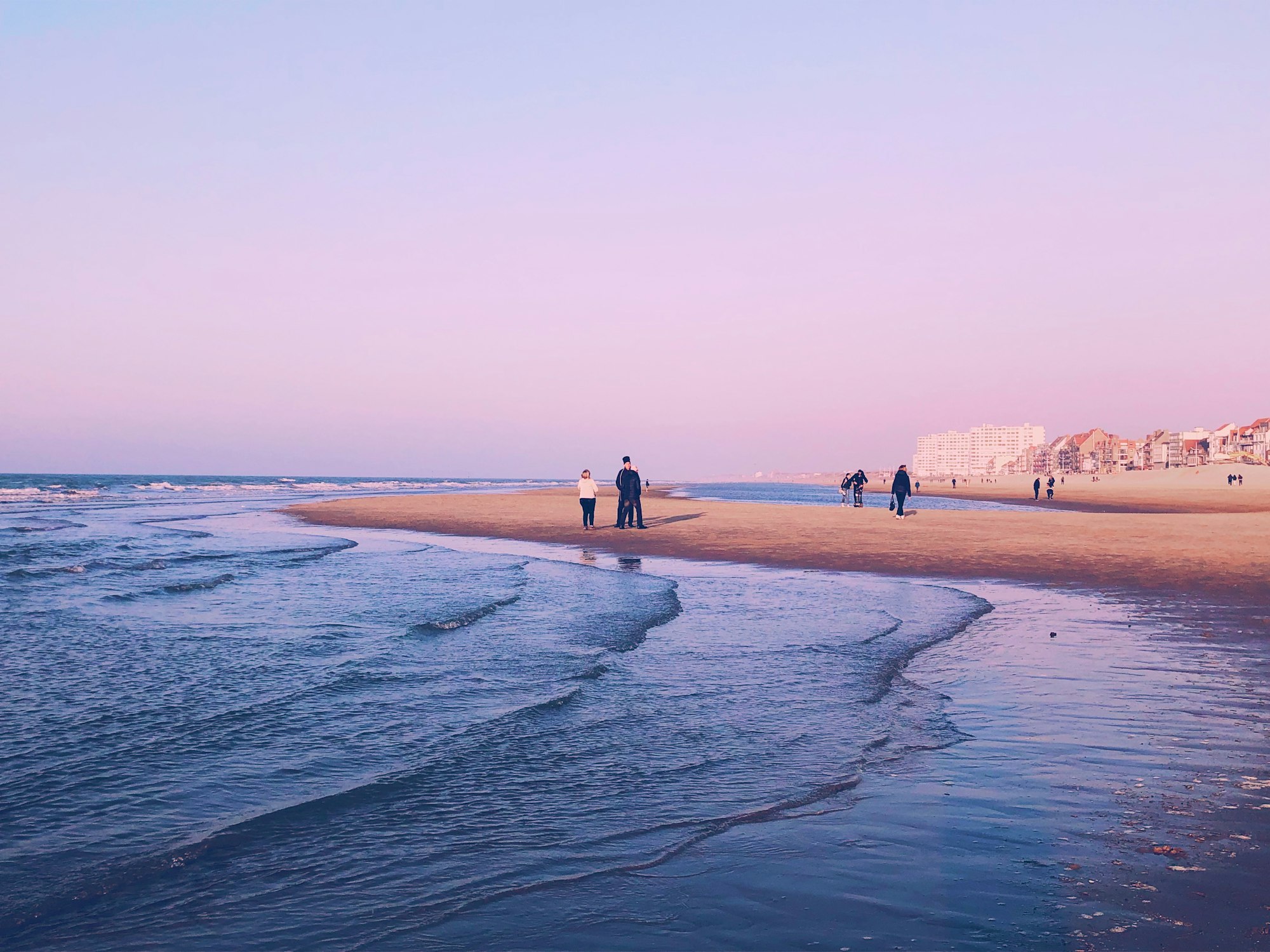
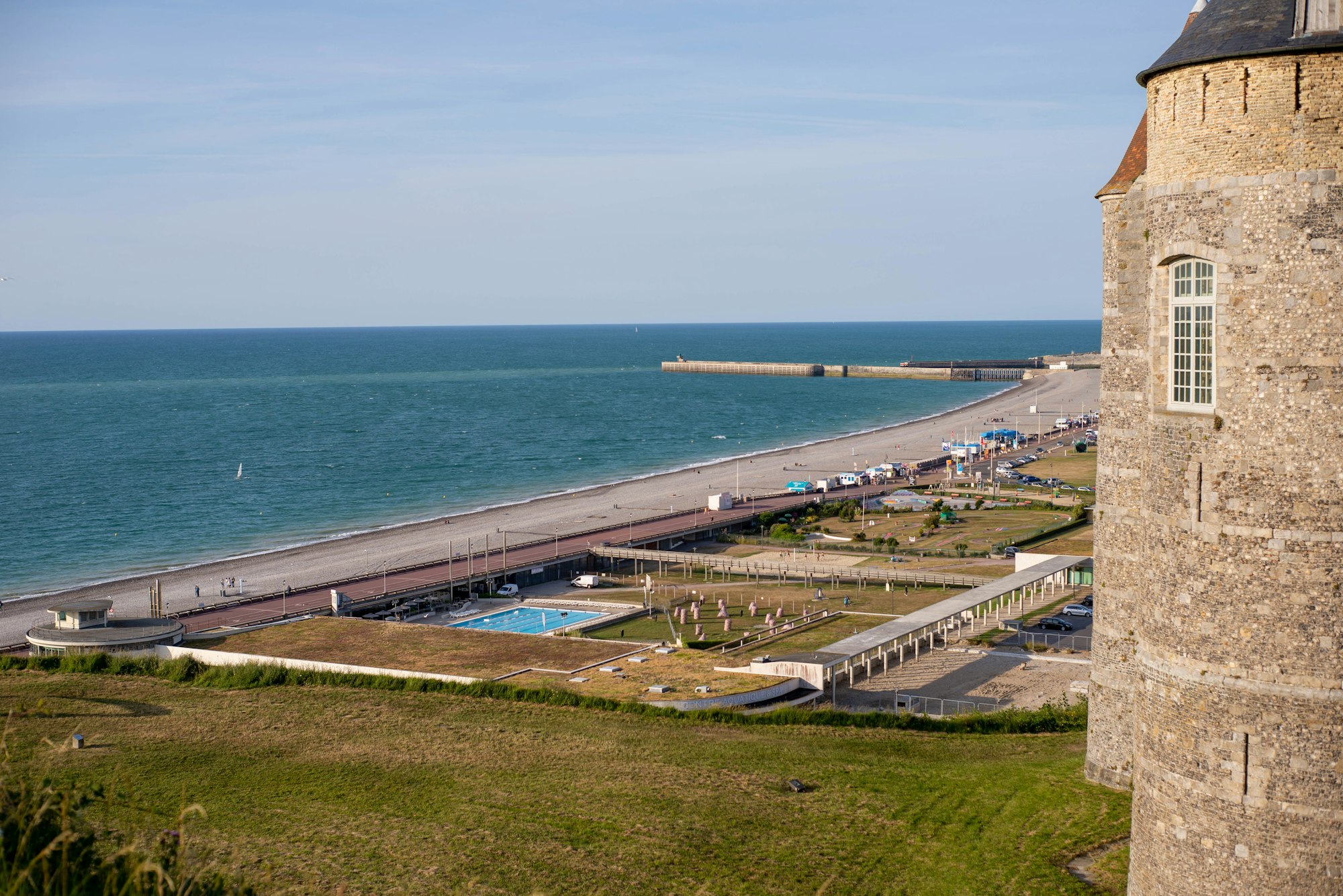
The beaches of Dunkirk were the evacuation beaches of 1940. Wrap up warm, grab a coffee and stroll along the sand. Breathe the sea air and picture the evacuation that happened here. It can be a moving experience, so it's a must if you're interested in history.
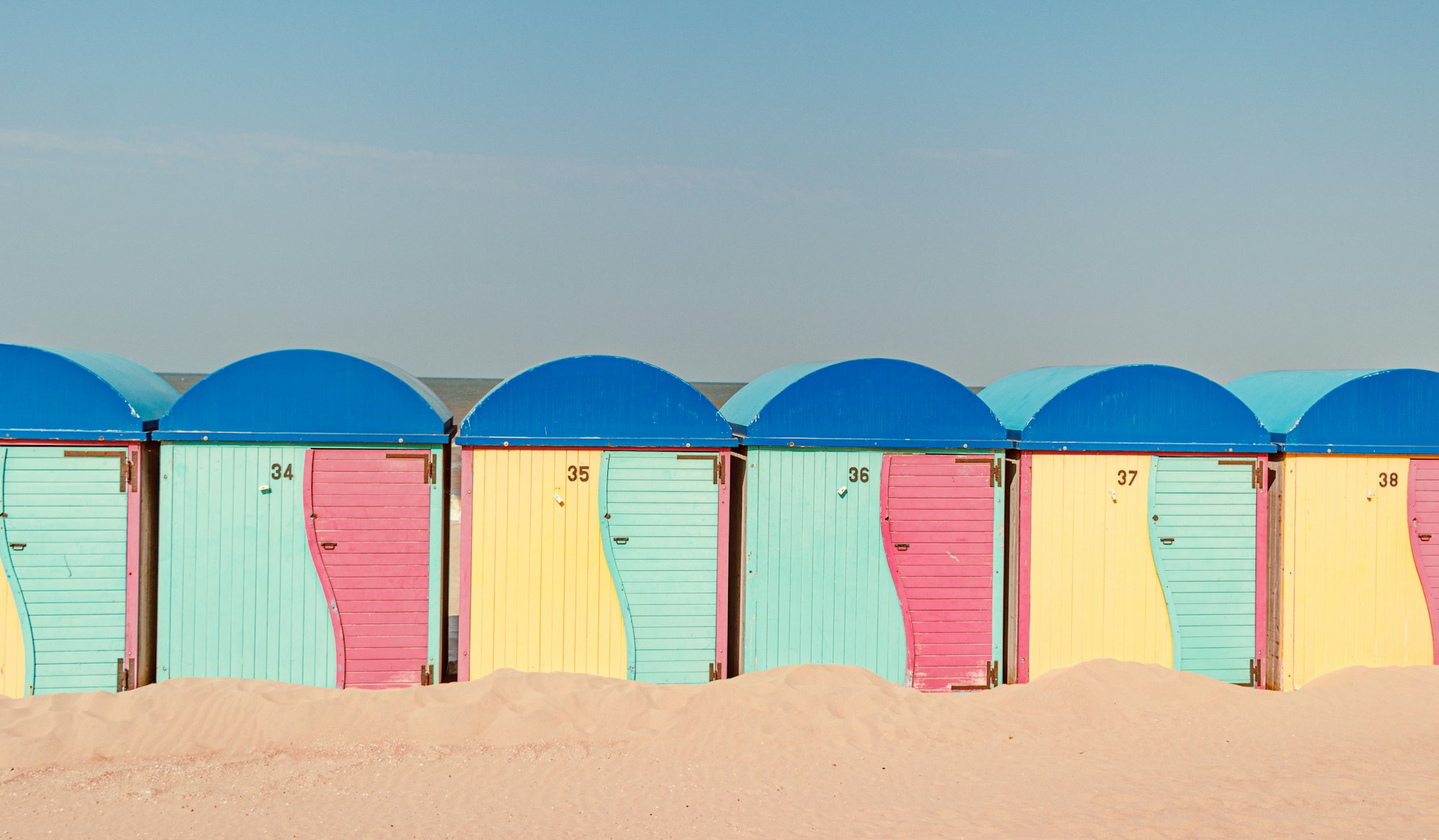
The tourist office counts six beaches along the coast, all white sand. Malo-les-Bains is the "resort", with traditional beach cabins, restaurant terraces along the sand and the promenade, and a wide cycle path on the seafront. Parking there is free, and the free C3 bus stops at the Casino, a few steps from the beach. For something quieter, Zuydcoote is the "wild" one, and at low tide you can see the wreck of the Crested Eagle, a British paddle steamer, on its sand. Bray-Dunes is the "northernmost".
For a break with history attached, the Princess Elizabeth, a paddle steamer that saved 1,673 lives during Operation Dynamo, is now a tea room and restaurant moored in the city-centre docks.
Breathe the sea air and picture the evacuation that happened here.
2. The Port Museum and its ships
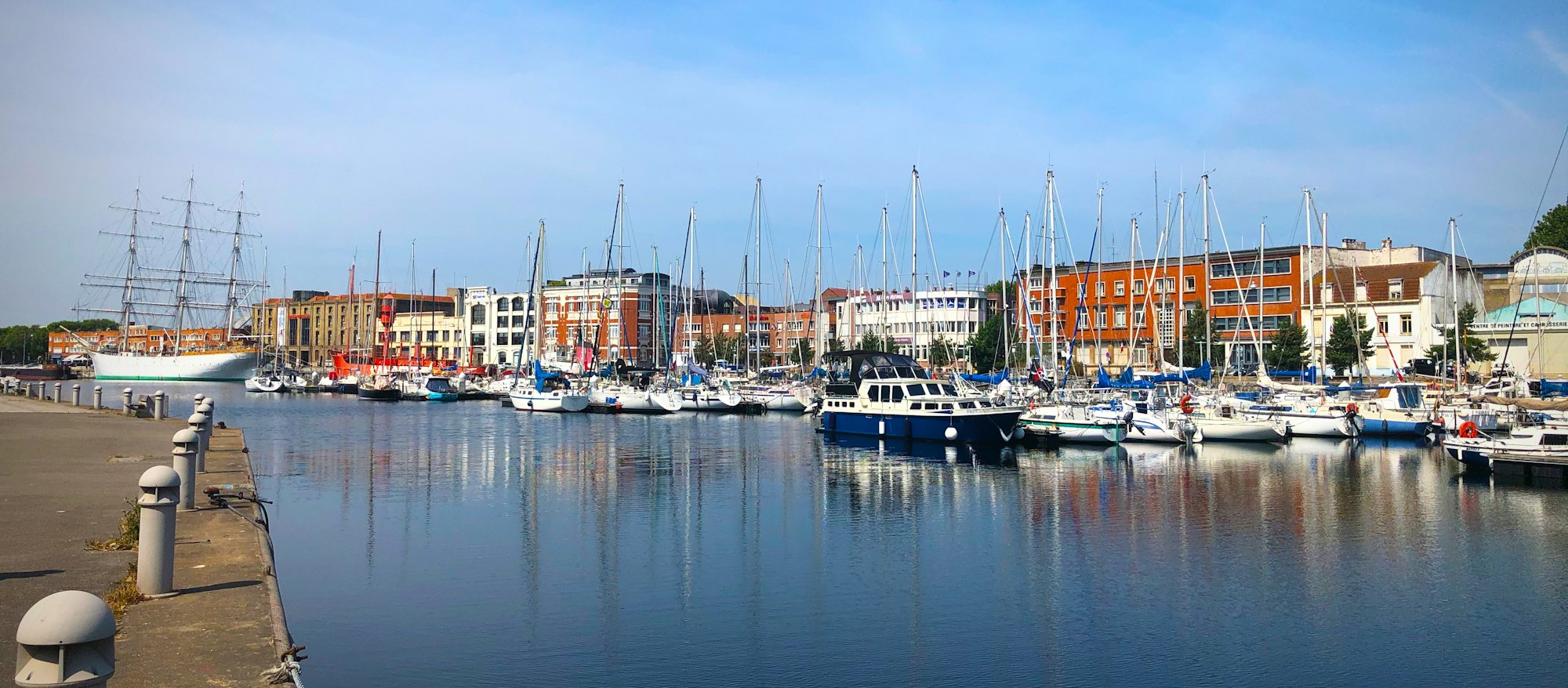
Dunkirk's Maritime and Harbour Museum is much more than a few models on a wall: the town's tourist office describes it as one museum, three ships and one lighthouse, with seven different exhibits. One of the ships is the Duchesse Anne, which the museum calls the largest sailing ship you can visit in France. It reopened after a restoration that ran from January 2024 to June 2026, and in term time the boats are open on Saturday and Sunday afternoons, 2pm to 5:30pm.
It's a great way to understand a town that grew from a small fishing village into the third port of France.
3. The Saint-Eloi Belfry
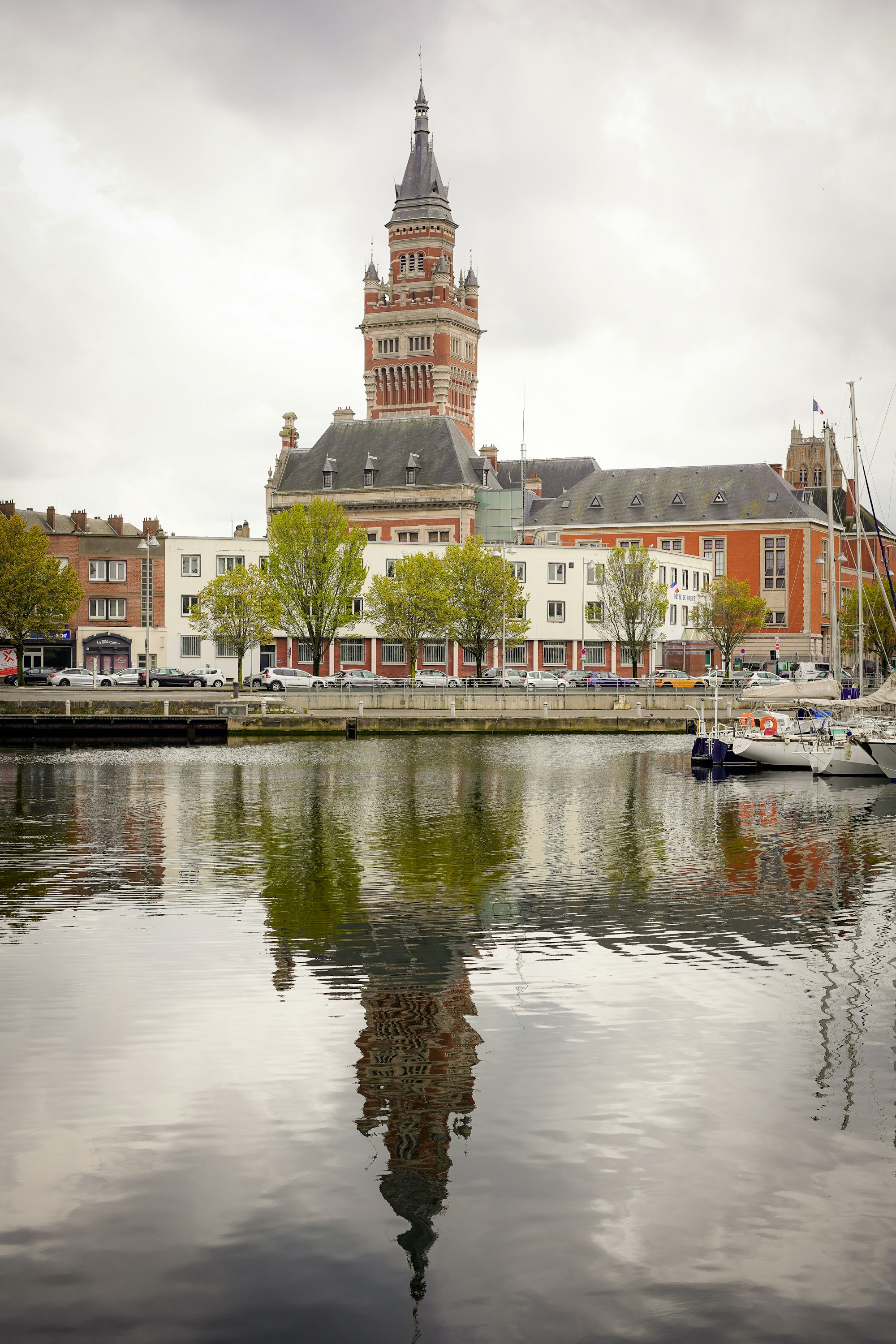
The Saint-Eloi Belfry was built in 1440 as the bell tower of the Saint-Eloi church, until a fire separated the two buildings in 1558. Dunkirk's belfries are UNESCO World Heritage Sites, and this one has a viewing terrace.
A lift takes you up to the carillon of 50 bells, which plays local tunes every 15 minutes, and then it's 65 steps to the viewing terrace, 58 metres up. From there you get a panoramic view of the city, the harbour and Flanders.
4. The Dunkirk 1940 Museum
Close to the East Mole and the evacuation beaches, the Dunkirk War Museum is in Bastion 32, the headquarters of the French and Allied forces during the Battle of Dunkirk and Operation Dynamo. It tells the story of the battle and the evacuation of May and June 1940, which the tourist office calls the largest evacuation effort in military history.
Outside, a trail gives panoramic views over the beach and the dunes.
5. LAAC: modern art and a sculpture garden
The LAAC (Lieu d'Art et Action Contemporaine) has one of the rare collections in France that can show the art of 1945 to 1980, with more than 2,000 works. Have a snoop around its garden of sculptures, water, stone and wind, and try to make sense of the abstract shapes. Entry is free on Sundays.
6. Join the carnival
The Dunkirk Carnival runs for around three months, from mid-January to mid-April, and peaks in the week of Mardi Gras. Expect crowds of costumed "masquelours" and forests of umbrellas in the streets. A "bande" isn't a group of carnival-goers but the parade itself, and the "rigodon" is its grand finale, which goes on for an hour.
The big parades in 2027:
- Sunday 7 February: Dunkirk Carnival Parade
- Monday 8 February: Citadelle Carnival Parade
- Tuesday 9 February: Rosendaël Carnival Parade
- Sunday 14 February: Malo-les-Bains Carnival Parade
On carnival days, leave the car behind: traffic and parking are banned along the parade routes, and the buses are free.
It was inspired by the Dunkirk fishermen who sailed to Iceland for cod. On the Sunday before Mardi Gras, hundreds of smoked herrings are thrown from the balcony of the Town Hall. Dig out some old clothes, find a wig, and join in. You might smell of fish afterwards.
7. Get lost in the Dune Marchand
At Bray-Dunes, the Dune Marchand is a National Nature Reserve, home to half of the species recorded in the Hauts-de-France region. It's made up of white dunes covered in marram grass, grey dunes with moss and small flowers, and wooded dunes where sea buckthorn takes over. It's open all year and makes a lovely spot to kick off your shoes after your crossing.
8. Birdwatch at the Platier d'Oye
Make time for the Platier d'Oye. This National Nature Reserve is the first feeding ground on the Channel and North Sea coast that migrating birds reach on their way to their winter homes, and you'll see ducks, herons and spoonbills there all year round. Think of it as a motorway services for birds.
9. The Jardin du Mont des Récollets
At Cassel, the Jardin du Mont des Récollets is a listed "Jardin Remarquable". It isn't open all year, so check the opening dates before you go. Bring a picnic, or someone you'd like to impress.
10. Eat!
When in France... Explore the independent restaurants, wander round the markets, following your nose, and stock up on fresh pastries for the drive home. The best way to get a taste of France is to eat it.
Getting to Dunkirk
Book the Dover to Dunkirk ferry and the route page has the crossing time and latest fares. The ferry terminal is at Loon-Plage, just outside Dunkirk, and the tourist office says the centre and the beaches are easy to reach by car from there.
Once you're in town, the city buses have been free since 2018, and the five main lines, C1 to C5, run every 10 minutes. For more ideas nearby, see all ferries to France. Visiting in November or December? Lille is 80 km from Dunkirk on the A25, and its Christmas market makes an easy add-on.