Paris is inland, so a "ferry to Paris" really means a Channel crossing and then a drive or a train. DFDS puts it plainly: it "operates ferries from the UK to Normandy and Northern France. Our Dieppe port is the closest to Paris, but Calais and Dunkirk are only a short ferry crossing from Dover, and a 3-hour drive from Paris."
I've put DFDS's three crossings to France side by side below, using its own pages as they were when I checked on 13 November 2026. Then there's what GOV.UK and the French government say about driving into Paris, and how to finish the trip by train if you go on foot.
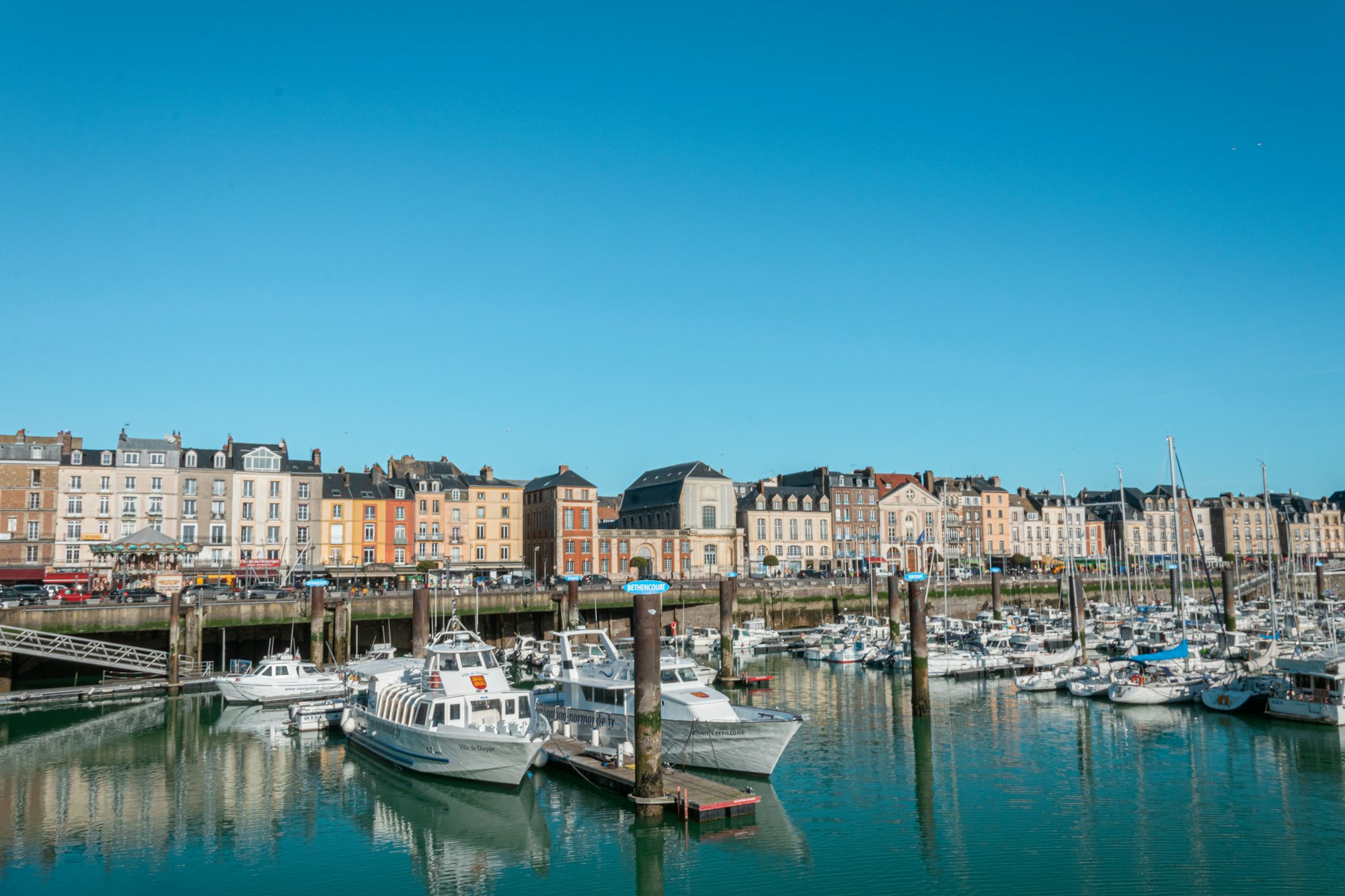
Which DFDS crossing suits a trip to Paris?
DFDS runs three routes from England to France: Dover to Calais, Dover to Dunkirk and Newhaven to Dieppe. The figures below come from each route's own DFDS page.
| Route | Crossing time | Sailings | Foot passengers | "From" fare (one way) | Drive to Paris, per DFDS |
|---|---|---|---|---|---|
| Newhaven to Dieppe | 4 hours (5 on some overnight sailings) | Up to 6 a day, depending on the season | Yes | £73 per car + 4 people | Less than 2.5 hours (its terminal page says 3 hours) |
| Dover to Calais | 100 minutes | Up to 30 a day | No, vehicles only | £114 per car + up to 5 people, including ETS | Within 3 hours |
| Dover to Dunkirk | From 2 hours | Up to 22 a day | No, vehicles only | £114 per car + up to 5 people, including ETS | Within 3 hours |
Those are the lead-in prices DFDS showed when I checked. They depend on the date and availability, so treat them as a starting point, not a quote.
In short: Dieppe is the closest port to Paris, and the only one of the three you can use without a vehicle. Calais has the shortest crossing and the most sailings.
In short: Dieppe is the closest port to Paris, and the only one of the three you can use without a vehicle.
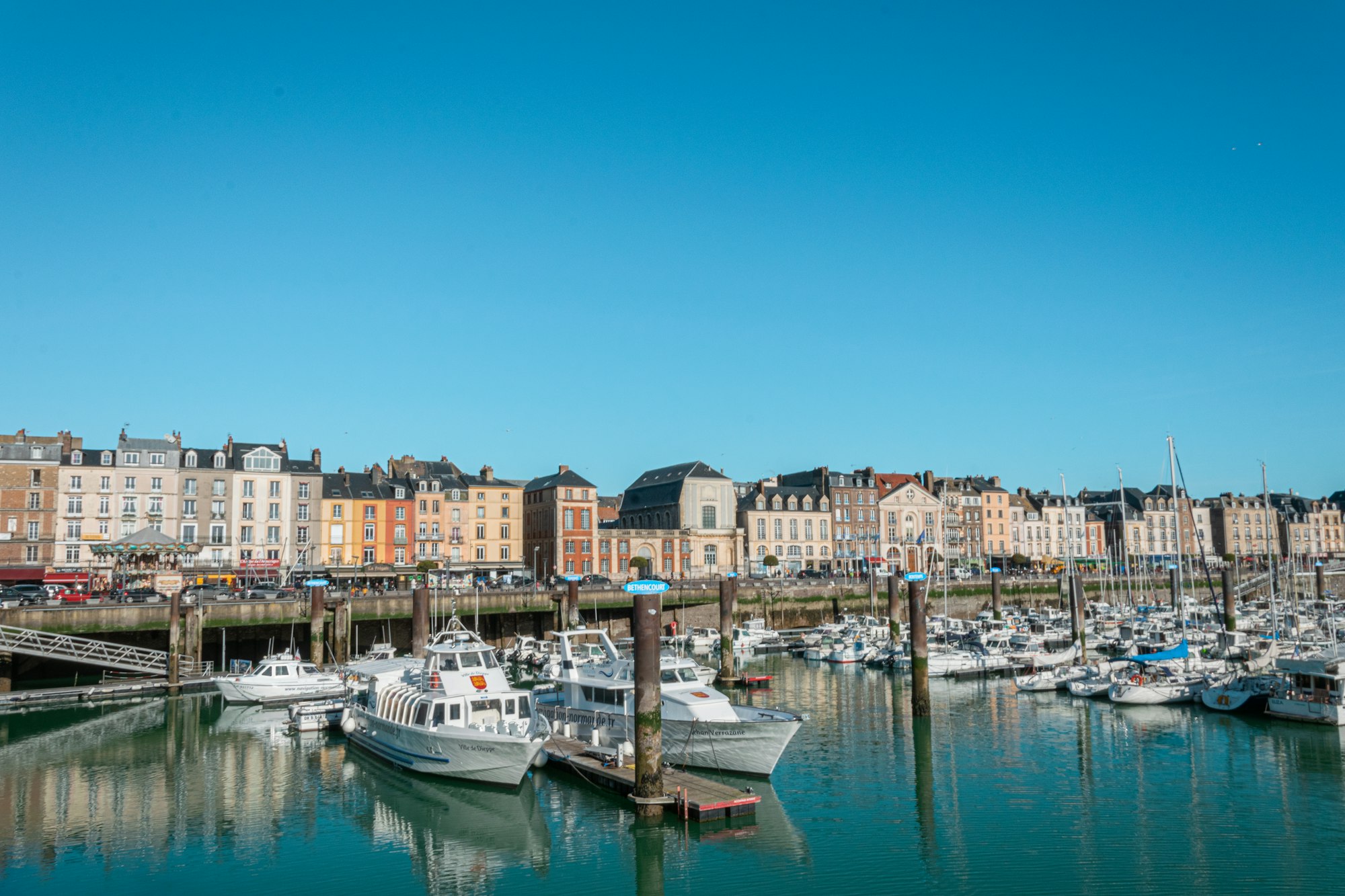
Newhaven to Dieppe: the closest port to Paris
DFDS says it is "the only cross-channel ferry operator on this route". Its route page says crossings "take around 4 hours and 5 hours on certain overnight ferries to France", and that the route "operates up to 6 daily sailings between England and France depending on the season".
The headline fare on the route page was "From £73 per car + 4 people one way". The small print says that's for "a standard car carrying 4 (2 adults + 2 children) passengers". The same page's FAQ says crossings "currently start from £117", though, and DFDS's France page shows "£100 for car + 2 people, one way". So the price you're offered may not match the headline.
For the drive, DFDS's Paris guide says Dieppe is "situated less than 2.5 hours' drive from the capital", on a route that goes "past Rouen" and follows "the banks of the Seine right into the heart of Paris". Its Dieppe terminal page gives a different figure: "just 3 hours from Paris by car". I'd plan on the longer one.
DFDS offers 20% off this route for seniors over 60, students aged 18 to 27 and passengers with a disability. The lead passenger has to show proof at the port, and those bookings must be made by phone or at the terminal.
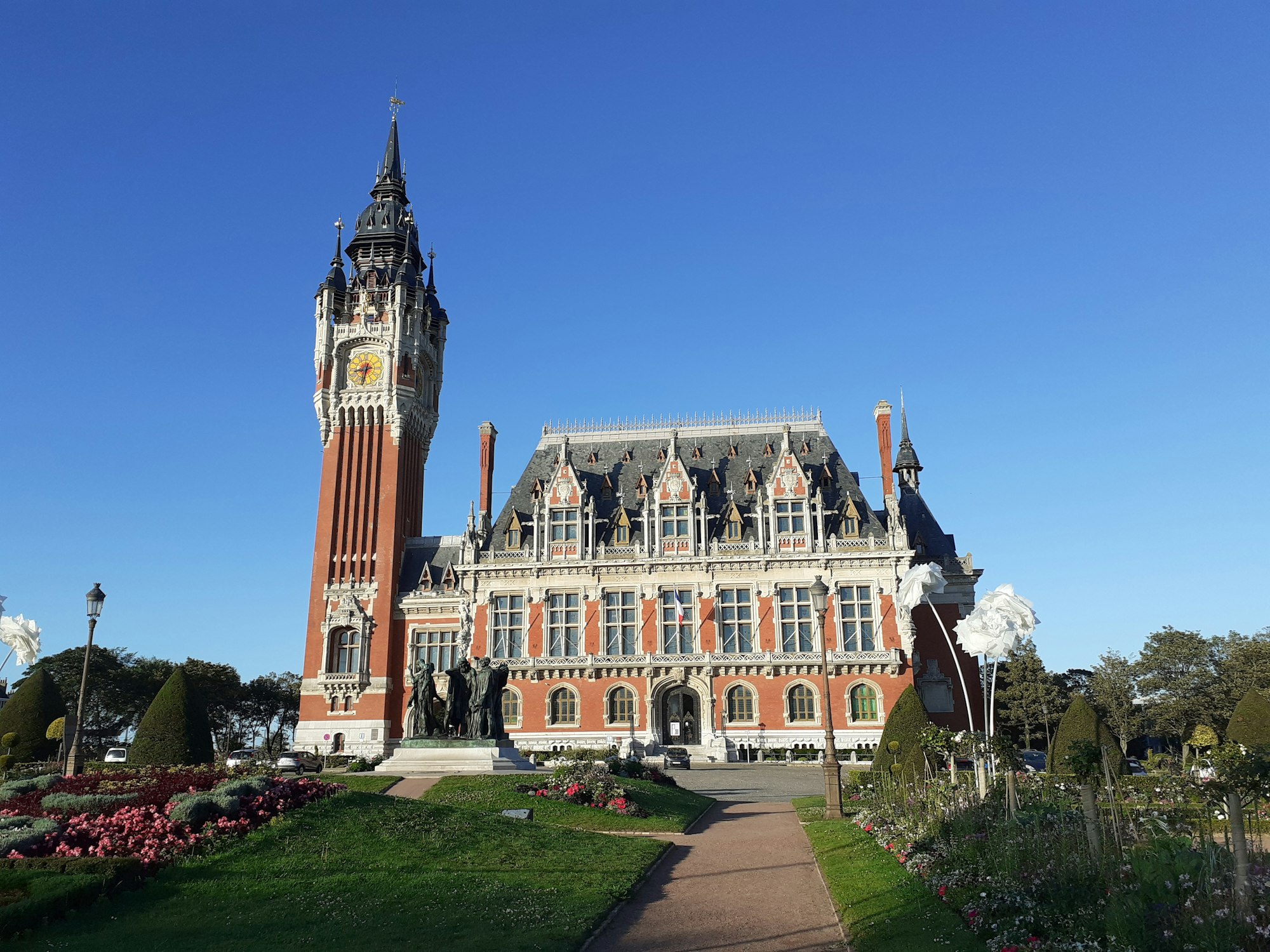
Dover to Calais: the shortest crossing
DFDS calls Dover to Calais "our fastest crossing between the UK and France". It lists the crossing as 1 hour 40 minutes, with "Up to 30" sailings a day. The first ferry leaves at 00:10 and the last at 21:10. The fare was "£114 for car + 5 people", which DFDS says is "a one-way fare for a standard car carrying up to 5 passengers on Dover-France routes, including ETS charge".
DFDS was also advertising "Book early and save 15% on your 2027 crossing" on its Dover pages. The page didn't give an end date.
For Paris, DFDS says its "Dunkirk and Calais ports in France are within 3 hours' driving distance of Paris".
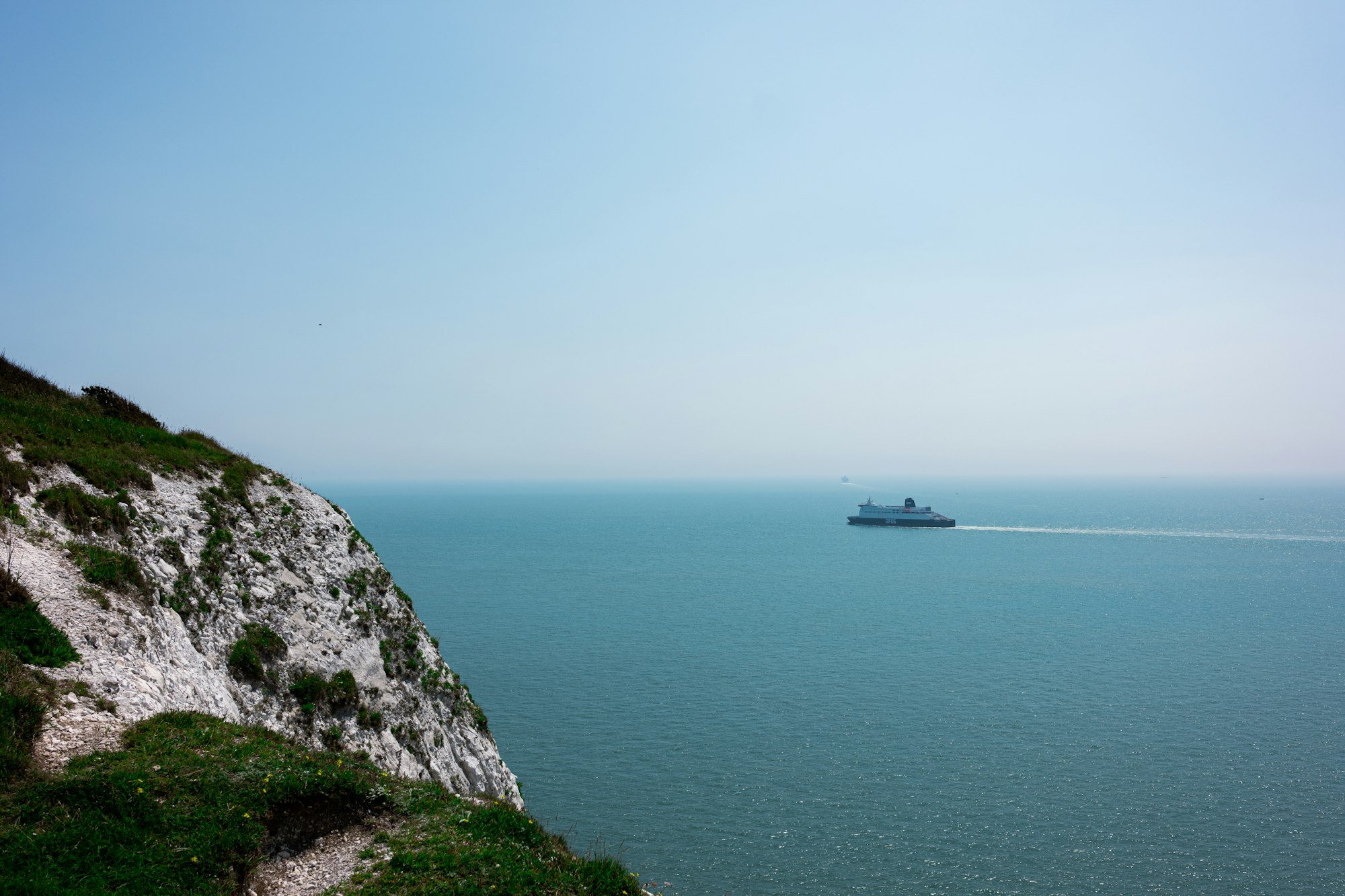
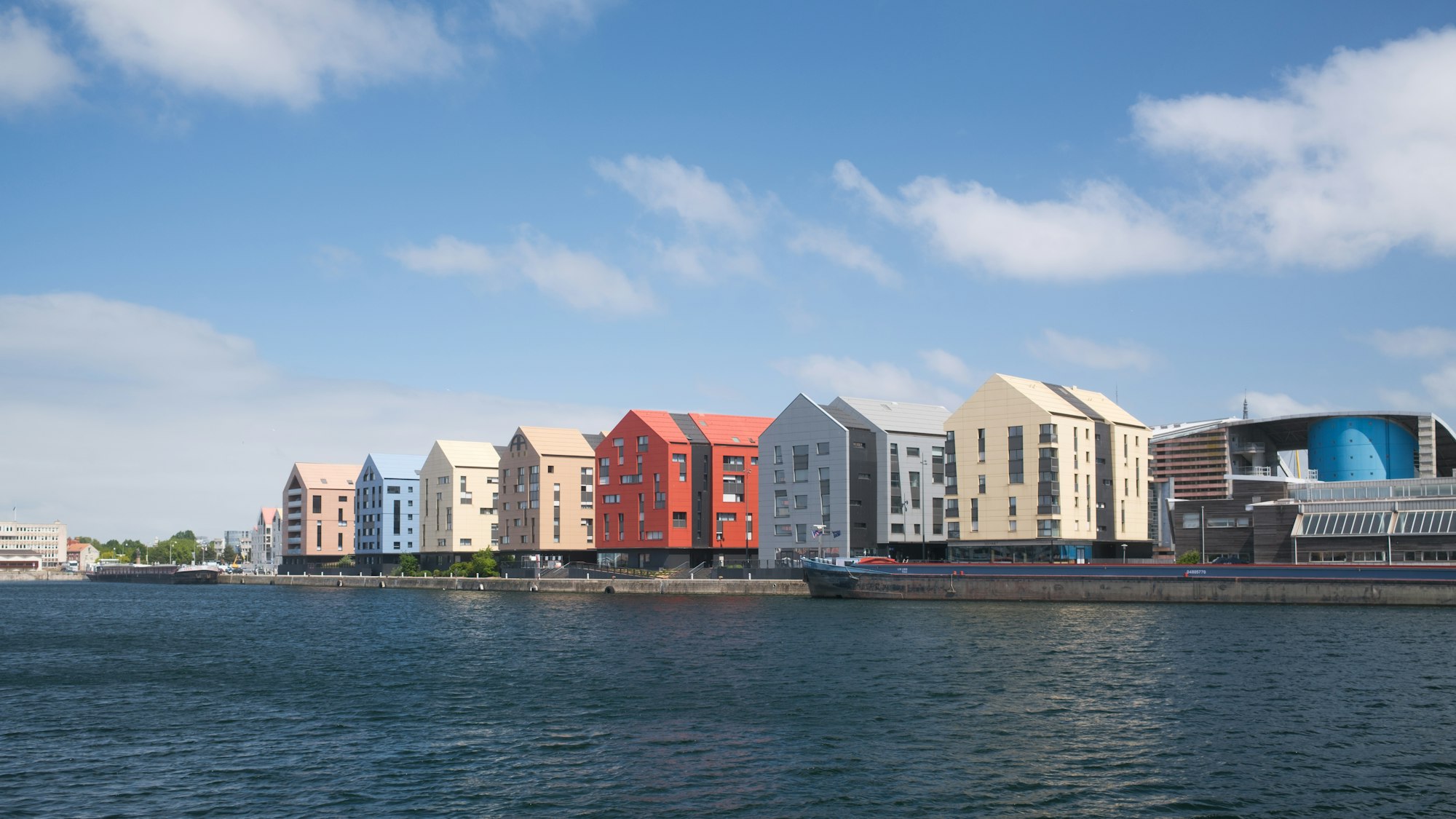
Dover to Dunkirk
DFDS's Dunkirk page lists "Up to 22" sailings a day, a crossing time "From 2 hours", a first ferry at 02:00 and a last at 23:59. The fare was the same £114 for a car and up to 5 people, one way, including ETS.
DFDS contradicts itself on the number of Dunkirk sailings: the Calais page FAQ mentions "a further 24 sailings a day on our Dover-Dunkirk ferry route". I've used 22, from the Dunkirk page itself.
Both Dover routes are vehicle-only. In DFDS's words: "Only vehicle travel is permitted on our Dover - France routes. Foot passengers are not permitted."
Driving from the port to Paris
DFDS says that "to drive from Calais, Dunkirk, or Dieppe to Paris, you'll mainly use motorways like the A1, A16, or A13, depending on your starting point." It also warns: "Expect heavy traffic in Paris, especially during rush hours, and parking can be tricky, so consider using underground car parks or park-and-ride facilities."
French motorway tolls
DFDS says "tolls are common on French motorways, so carry some cash or a credit card for payment".
Some French motorways have no toll barriers at all. The French government's public services site, service-public.fr, says this "free-flow" tolling is in place on the A13-A14 between Paris and Normandy. Gantries over the road work out what you owe, and you then have 72 hours to pay, either online on the motorway company's website or by card or cash at a tobacconist or newsagent with the Nirio system. If you have a toll tag fitted, the charge is taken automatically.
If you don't pay within 72 hours, service-public.fr says the motorway company sends a payment notice that adds a fixed €90 charge, cut to €10 if you pay within 15 days. If you still haven't paid after 2 months, it becomes a €375 fine.
The Crit'Air sticker for Paris
This is the rule most likely to catch out a UK driver. GOV.UK says: "All vehicles driving in central Paris, Lyon and Grenoble must display a pollution sticker from 8am to 8pm, Monday to Friday. Checks can happen at any time, depending on pollution levels." It adds that some older vehicles "do not qualify for a sticker at all due to their high emissions" and must not be driven in central Paris during those hours.
The sticker is called a Crit'Air vignette, and DFDS warns that not displaying one "could result in on-the-spot fines".
Order it from the official French government site, certificat-air.gouv.fr. For a vehicle registered outside France, the site lists the price as €3.11 plus €2.00 postage outside France, €5.11 per vehicle in total, and you'll need a legible photo or scan of your registration certificate. The site warns you to beware of intermediaries and fraudulent sites. You can tell you're on the official one because its address ends in .gouv.fr.
What to carry in the car
DFDS lists these must-haves for driving in France:
- Headlight converters and a UK sticker, unless the registration plates have the UK logo on them
- A valid UK driving licence
- Car registration documents
- Proof of car insurance
- A breathalyser kit
- A warning triangle
- A high visibility jacket or vest, stored within reach of the driver
GOV.UK says you can use a UK photocard driving licence to drive in France. If you still have a paper licence, you may need to update it or get the correct international driving permit as well. It also says police give on-the-spot fines for driving offences, and that France's legal alcohol limit "is a third lower than the limit for England and Wales".
Going on foot: the ferry and train to Paris
If you don't want to take a car, Newhaven to Dieppe is the only DFDS option. Its FAQ says: "On our Newhaven – Dieppe route you are allowed to travel as a foot passenger." Foot passengers have to leave large luggage (bigger than 56cm x 45cm x 25cm) in storage trolleys in the terminal and can't get to it during the crossing. Hand luggage is limited to one piece each.
DFDS says Dieppe train station is "2km from the terminal (28 minutes' walk)".
From there, SNCF Connect says 8 trains a day run from Dieppe to Paris. The first leaves at 7h02 and the last at 19h21, and the fastest journey takes 2h17. These aren't direct trains: SNCF says the trip involves a change, with NOMAD trains running from Dieppe to Rouen Rive Droite and connections from Rouen on to Paris. The trains on that page end at Paris Saint-Lazare. SNCF's lead-in fare was €18, which it says is for one person, one way, in 2nd class, on selected trains and dates.
Another option: Portsmouth to Caen
Ferryu doesn't earn on Brittany Ferries, but Portsmouth to Caen is worth knowing about if you live further west. Brittany Ferries says daytime sailings take around 6 hours, overnight ones an average of 7 to 8, and that the motorway network from Caen "provides a fast route to Paris".
For more crossings, see my Ferry to France guide. For ideas once you arrive, see 5 best things to see in Paris.
Questions about the ferry to Paris
Is there a ferry that goes to Paris?
No ferry sails into Paris itself. DFDS says its Dieppe port is the closest to Paris, while Calais and Dunkirk are a short crossing from Dover and "a 3-hour drive from Paris".
Which ferry port is closest to Paris?
Of DFDS's ports, Dieppe. DFDS's Paris guide puts it less than 2.5 hours' drive from the capital, though its Dieppe terminal page says 3 hours by car.
Can I get to Paris by ferry without a car?
Yes, through Newhaven to Dieppe, the only DFDS route to France that takes foot passengers. From Dieppe station, 2km from the terminal, SNCF trains run to Paris Saint-Lazare with a change at Rouen. The fastest journey takes 2h17.
Do I need a Crit'Air sticker to drive in Paris?
GOV.UK says all vehicles driving in central Paris must display a pollution sticker from 8am to 8pm, Monday to Friday. The official site, certificat-air.gouv.fr, lists €5.11 per vehicle for a car registered outside France, postage included.
What's the quickest ferry crossing for Paris?
Dover to Calais takes 100 minutes, with up to 30 DFDS sailings a day. DFDS says Calais is within 3 hours' drive of Paris.
Are there tolls on the drive to Paris?
DFDS says tolls are common on French motorways. On the A13-A14 between Paris and Normandy there are no barriers. service-public.fr says you must pay within 72 hours, online or at a tobacconist or newsagent with the Nirio system.